SEO Is OK, But What Is GEO?

SEO Is OK, But What Is GEO?
If you run a business, you have probably heard of SEO: search engine optimization. It is the practice of improving your website so people can find you through search engines. SEO still matters a lot. But there is a newer term showing up in marketing conversations: GEO.
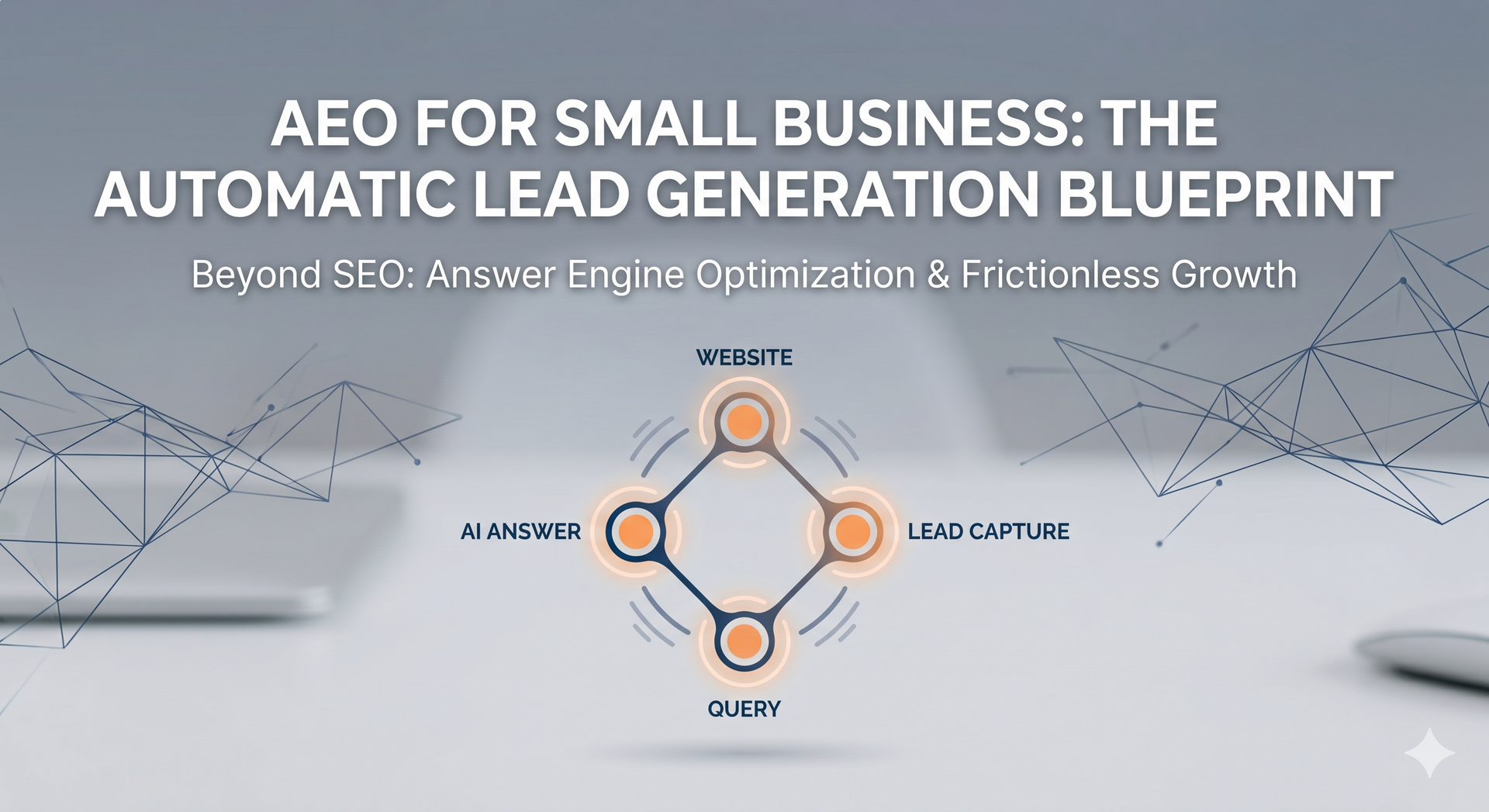
GEO stands for Generative Engine Optimization. In simple terms, it is about helping your business show up clearly and accurately in AI-generated answers, not just in traditional search results.
Why GEO matters
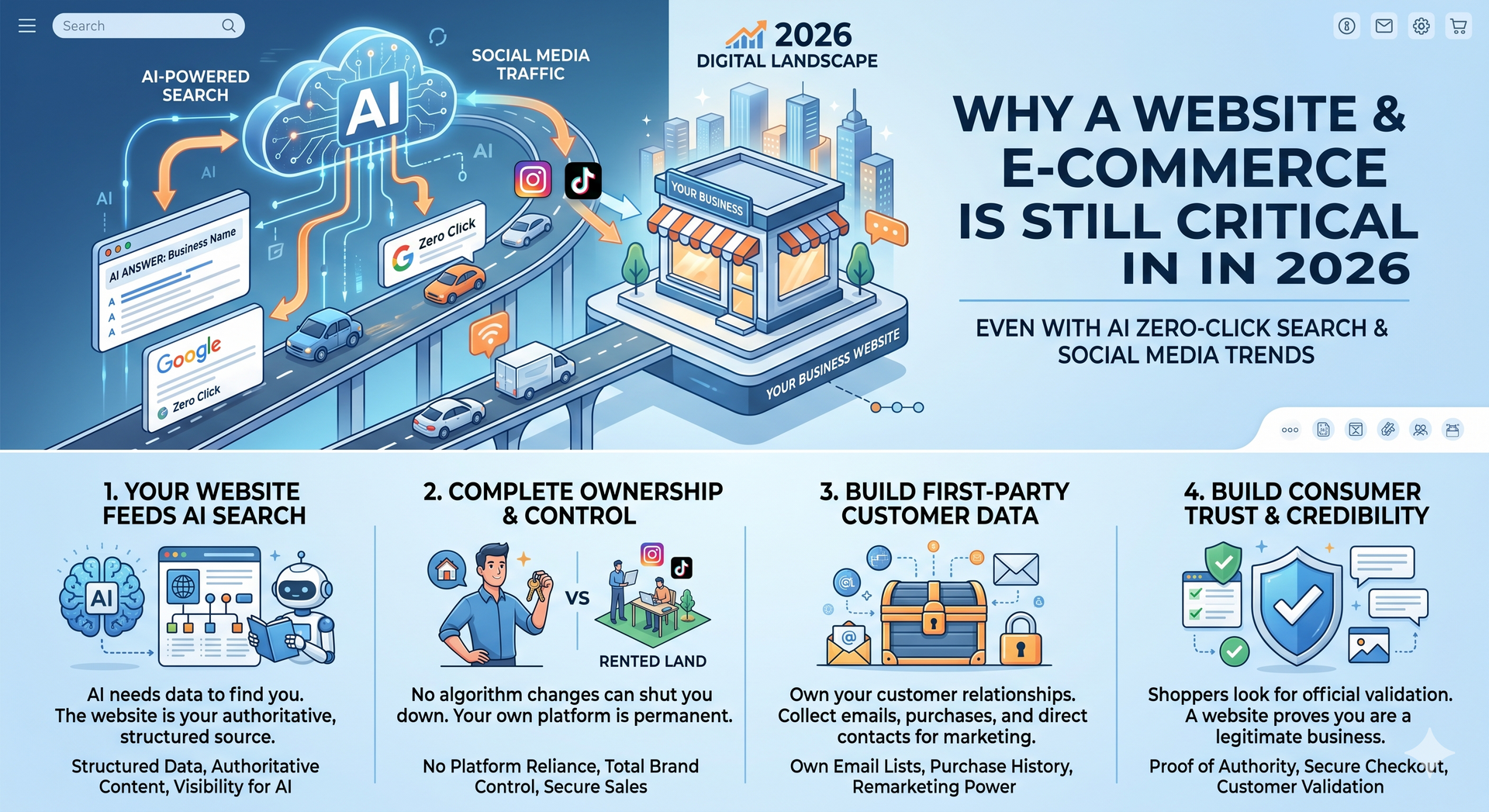
More people are now asking AI tools direct questions like “Who is the best accountant near me?” or “What should I look for in a family dentist?” Instead of showing a long list of links, these tools often generate a direct answer. If your business information is unclear, outdated, or hard to understand, you may be less likely to appear in those answers.
That is where GEO comes in. GEO focuses on making your business easy for AI systems to understand, trust, and reference.
SEO vs. GEO
SEO and GEO are related, but they are not exactly the same.
- SEO helps your pages rank in search results.
- GEO helps your business information get surfaced in AI-generated responses.
Good SEO creates a strong foundation for GEO. If your site is well organized, useful, and trustworthy, you are already moving in the right direction. GEO just adds a new layer: writing and structuring content so AI tools can interpret it easily.
What makes content GEO-friendly?
Busy business owners do not need to reinvent their websites. Instead, focus on clarity and consistency. GEO-friendly content usually has a few key traits:
- Clear descriptions of what your business does
- Specific answers to common customer questions
- Consistent business information across your site and online listings
- Trust signals like reviews, testimonials, credentials, and contact details
- Well-structured pages with logical headings and helpful copy
How to improve GEO now
You do not need a massive project to get started. Here are practical steps you can take:
- Explain your services plainly. Avoid vague wording. Say exactly what you offer, who you serve, and where you serve them.
- Create FAQ-style content. Answer real customer questions in simple language.
- Keep your business details updated. Your business name, address, phone number, hours, and services should match everywhere.
- Show credibility. Add testimonials, certifications, awards, and case studies where relevant.
- Publish helpful educational content. Blog posts, service pages, and guides give AI systems more context about your expertise.
Does GEO replace SEO?
No. GEO does not replace SEO. It builds on it.
Think of SEO as helping people discover you through search results, and GEO as helping AI tools describe and recommend your business in direct answers. The best strategy is not choosing one over the other. It is making sure your website supports both.
What should business owners do first?
If your schedule is packed, start with the basics:
- Review your homepage and service pages
- Make your business descriptions more specific
- Add a few FAQs based on common customer questions
- Update outdated information
- Publish one useful article each month
These small steps can support both your SEO and your GEO over time.
Final takeaway
SEO is still important, but the way people find information is changing. GEO is about preparing your business for a world where AI tools play a bigger role in answering questions and guiding decisions.
If your website is clear, helpful, and trustworthy, you are already ahead of many businesses. Start there, stay consistent, and you will be in a stronger position for both search engines and AI-driven discovery.